We buy houses in Parma and Parma Heights for cash, as-is.

Two separate cities, two separate city halls, two different sets of rules before a house can change hands — and one buyer who deals with both every month. No repairs, no commissions, no listing.

  • Parma 44129 · 44130 · 44134
  • Parma Heights 44130
  • Cuyahoga County
7 daysFastest realistic close once the city signs off
$0Commissions, repairs or escrow out of your proceeds
1950sThe decade most of the houses here were built

Tell us about the Parma property

Street, rough condition, and whether you're in Parma or Parma Heights. A local buyer looks it over and calls you back with a real number and the reasoning behind it.

Your details stay with us. We never sell or resell leads.

How do I sell my house fast in Parma, Ohio?

Send a local cash buyer the address, get a written offer after a short walkthrough, and close at an Ohio title company in as little as a week. In Parma and Parma Heights the step that actually controls the calendar is the city's pre-sale inspection: each city runs its own program through its own building department, and the violation list it produces has to be resolved before the deed transfers. Selling to a cash buyer means the buyer takes that list on — no repairs, no escrow from your proceeds, no commission — in exchange for a price below full retail.

Sell Fast Buyers Cleveland buys directly in Parma, Parma Heights, Seven Hills, Brooklyn, Brook Park, Middleburg Heights and across Cuyahoga County.

Start here

Parma and Parma Heights are two different cities. It matters at closing.

They share a school district, a zip code and a name, so nearly everyone treats them as one place. Your county parcel doesn't. Which city your house sits in decides which building department inspects it, which forms you file, what it costs and how long the queue is. Getting this wrong is the most common reason a Parma-area closing slips two weeks.

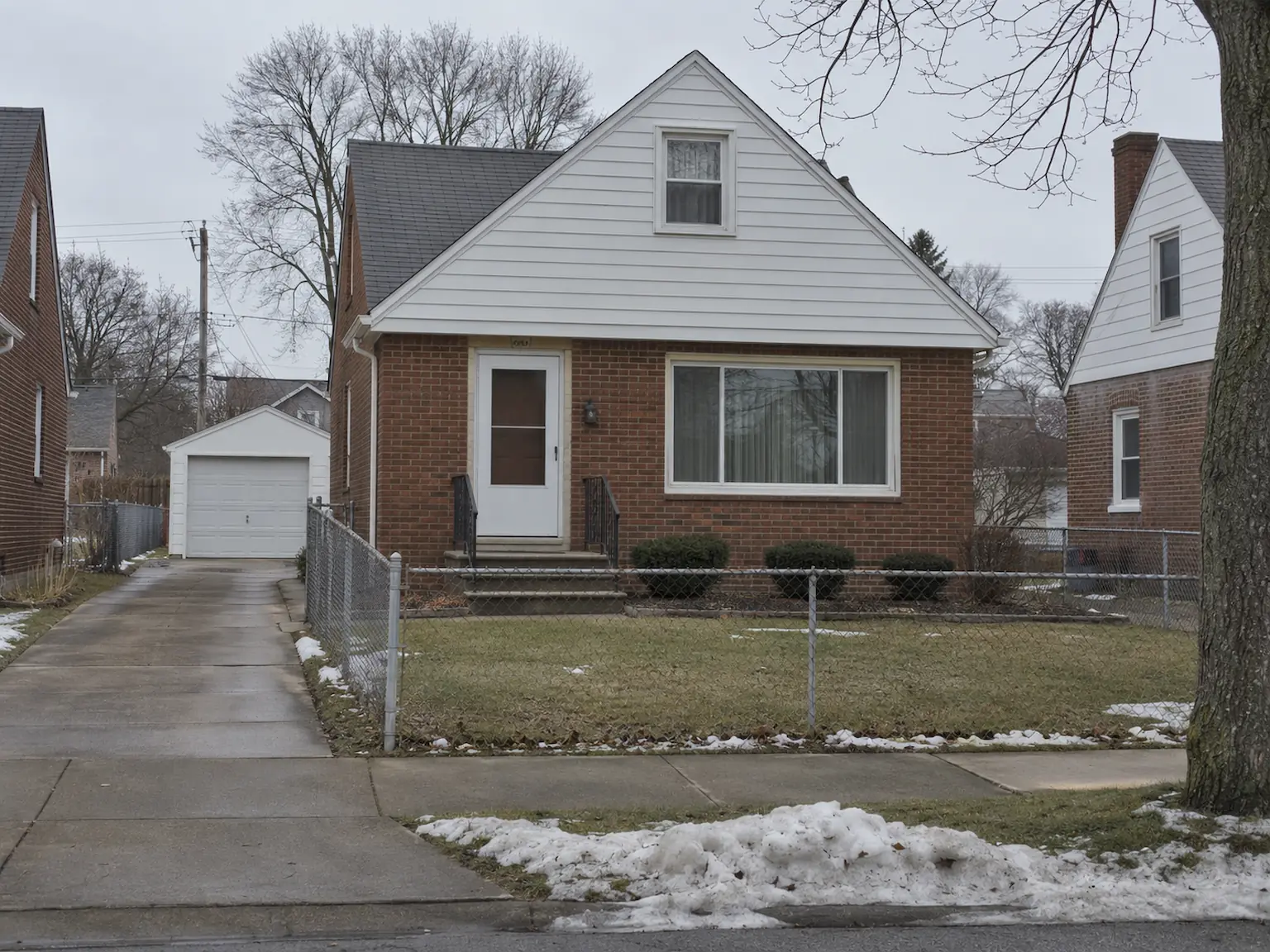
Brick Cape Cod house in Parma, Ohio with a front dormer, picture window and detached garage down a narrow side driveway
Parma

City of Parma

Ohio's seventh-largest city and by far the largest Cleveland suburb — roughly 80,000 people spread across a wide grid of post-war streets.

Where you file
City of Parma building department, Ridge Road
Before transfer
A city pre-sale/point-of-sale inspection is generally required, with a violation report issued to the owner
Typical flags
Roof and gutters, porch and steps, railings, driveway aprons, garage condition, electrical service, furnace and water heater venting
Zips
44129, 44134, and part of 44130
Schools
Parma City School District
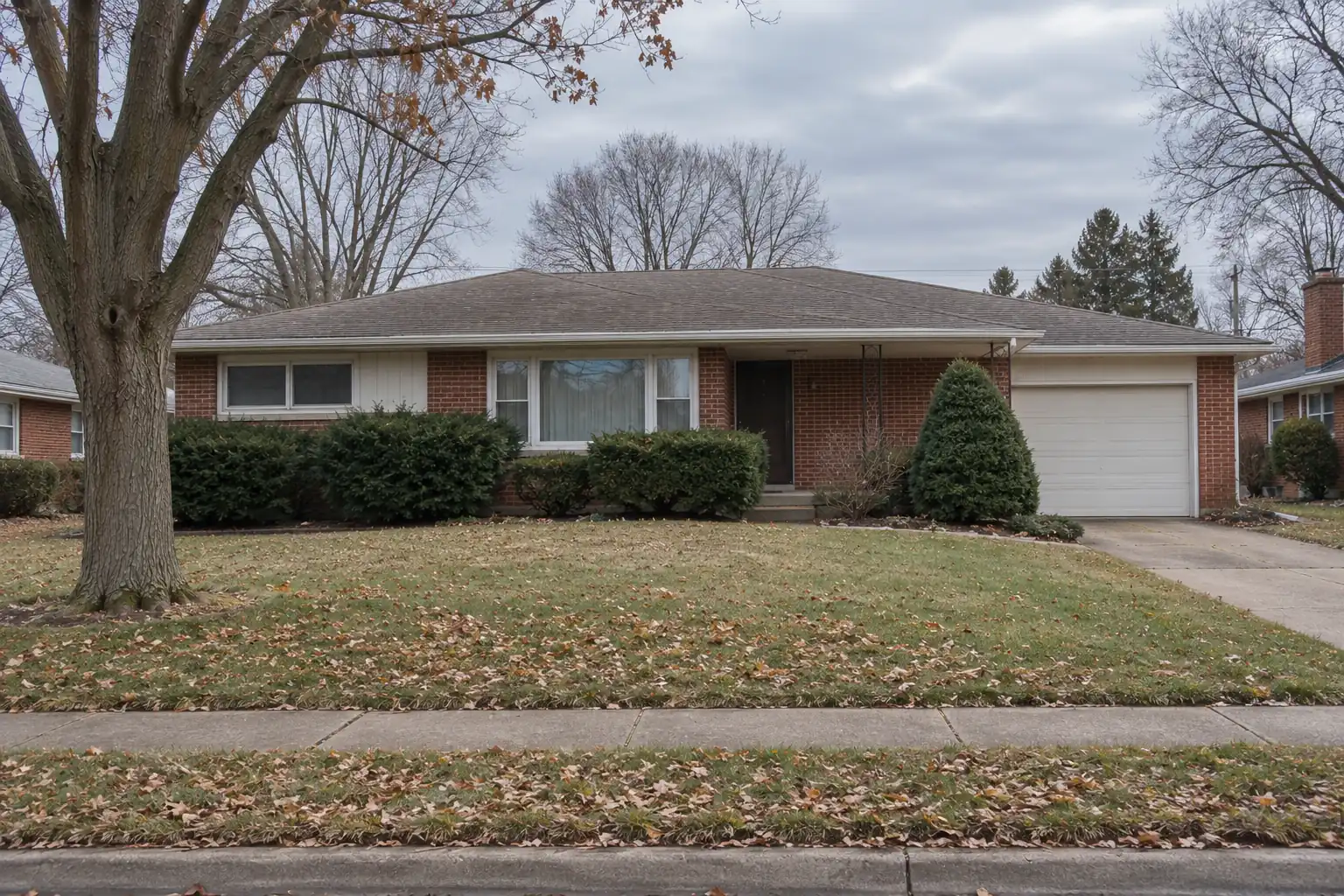
Brick ranch house in Parma Heights, Ohio with an attached garage and mature maple on a wider suburban lot
Parma Heights

City of Parma Heights

A separate municipality of roughly 20,000 on the northwest side, centred on the Pearl Road corridor and Greenbrier Commons. Its own mayor, council, building department and fee schedule.

Where you file
City of Parma Heights building department, Pearl Road
Before transfer
Its own pre-sale inspection process, separate from Parma's — different form, different fee, different queue
Typical flags
Similar exterior and mechanical items, but scheduled and scored by a different department on its own timeline
Zips
Primarily 44130
Schools
Also Parma City School District

Confirm before you rely on any of this. Municipal inspection programs, fees, escrow rules and forms are set by each city and change without much notice. Call the building department for your specific address, or send us the address and we'll tell you what we're currently seeing in that city. If you aren't certain which city you're in, your Cuyahoga County parcel record settles it — the mailing address will not.

What's behind the walls

The Parma Cape Cod, taken apart.

Parma more than doubled in a decade after the war, and it was built fast, by the block, to a handful of plans: brick-and-siding Capes and bungalows with a dormer, a picture window, a concrete driveway down the side and a one-car detached garage at the back. Because they went up together, they age together. Here's what we expect to find before we ever walk in — and none of it stops us buying.

Roof
Two or three layers of asphalt over the original deck, steep front gable, valleys that hold ice
The most common inspection write-up in the city. Also the first thing an insurer refuses to cover.
Electrical service
60 or 100 amp panel, sometimes still fuses, minimal grounded outlets upstairs
A mortgage buyer's lender may require an upgrade. A cash buyer doesn't.
Supply plumbing
Galvanized steel in the oldest builds, copper in the later ones, low pressure upstairs
Priced into the offer as a whole-house repipe, not deducted from you later.
Waste lines
Cast iron stack, clay lateral out to the street, roots at the joints
A camera scope can end a retail deal. We assume the lateral is bad and buy anyway.
Heating
Original gravity or boiler system replaced once in the 80s or 90s, well past design life
Venting and clearance items show up on city inspections more often than the furnace itself.
Basement and foundation
Poured or block walls on heavy clay, step cracks at the corners, a floor drain that has backed up before
Water staining scares retail buyers off. It's normal here and it's already in our number.
Windows
Mixed vintages — some original wood, some 1990s vinyl inserts, failed seals throughout
Rarely a transfer blocker. Almost always a full replacement in the renovation budget.
Driveway and garage
Narrow concrete drive down the property line, detached single garage with a settling slab
Apron and walk condition is a routine city write-up. It's a repair we take on as the buyer.
Asbestos and lead
Floor tile and mastic, pipe wrap, siding, and lead paint in anything pre-1978
Federal lead disclosure applies at sale. You disclose what you know; we handle abatement.
Radon
Northeast Ohio sits in an elevated-radon region, and finished 1950s basements rarely have mitigation
A high test result can re-trade a retail sale. It doesn't change a cash offer.
General patterns from this housing stock, not a condition report on your house. We'll tell you what we actually see when we walk it — including anything that turns out to be in better shape than we assumed.

Who's calling us

Most Parma houses we buy come from one of five situations.

Parma filled up with young families in the 1950s and a lot of those families never left. Two generations later, the sale usually isn't about the house — it's about a life change with a deadline attached.

The estate of the original owner

Mom or Dad bought the house new, stayed sixty years, and left it to three adult children who live in three different states. Nobody wants to fly in to sort a basement, and nobody wants to carry the taxes and insurance while they argue about it.

We buy with everything still inside and coordinate with the estate's attorney.

Moving to assisted living

The stairs stopped working. There's a move-in date at a care community and a monthly bill that starts whether the house sells or not, and a listing that needs a new roof first is the wrong tool for that timeline.

We close on the date the family needs, not the date the market allows.

The landlord who's had enough

One or two rentals bought decades ago, a tenant who stopped paying, and a repair list that now costs more than a year of rent. Selling with a tenant in place is nearly impossible on the open market.

We buy occupied, mid-eviction, and behind on rent.

Divorce or a job that moved

Two people who need one clean transaction and a number they can split, or a start date in another state that lands before any listing could close. Neither situation survives a sixty-day contingency and a repair negotiation.

One buyer, one closing, a date you choose.

The house that failed its inspection

It was listed, it went under contract, the city inspection came back with a page of items, and the buyer walked. Now it's back on the market with days-on-market history and a reputation.

We read the report as a scope of work, not a reason to renegotiate.

Behind on taxes or payments

A tax delinquency that's been growing quietly, or a mortgage arrearage after a job loss or a death in the family. Time is the resource that's running out, not equity.

Payoffs come out of the sale at closing. You bring nothing.

Where we buy

Parma runs on its main roads. So do we.

People here don't give directions by neighborhood name, they give them by road. So that's how we'll do it. We buy on every street off all of them.

Ridge RoadParma

The city's spine, running past city hall and the civic buildings. The side streets off Ridge hold some of Parma's oldest and densest housing — smaller Capes on tight lots, a lot of long-term ownership, and estates coming to market as original owners pass on.

State RoadParma

The heart of Parma's Polish and Ukrainian community, with the churches, bakeries and pierogi shops that gave the city its identity. Sturdy post-war housing, deep neighborhood loyalty, and families who've been on the same block for three generations.

Pearl RoadParma & Parma Heights

The commercial corridor that crosses both cities, so a Pearl Road address can sit under either building department. Mixed housing behind it, plus most of the small multi-family and converted-double stock in the area.

Broadview RoadParma & Seven Hills

The eastern edge, running toward Seven Hills and the Cuyahoga valley. Slightly larger lots, more ranches and split-levels from the later building wave, and a share of the area's 1960s and 70s construction.

Snow RoadParma

The northern crosstown, connecting toward Brooklyn and Brook Park. Dense, walkable, close to the industrial employment that built these neighborhoods, and a steady supply of tired rental property.

Day Drive & The ShoppesParma

The Parmatown area that anchored the city for decades and has been reworked since. Streets around it are classic mid-century Parma: consistent floor plans, consistent condition, consistent repair lists.

Greenbrier & Olde YorkParma Heights

Parma Heights' civic centre, around Greenbrier Commons and the Cassidy Theatre. Quieter streets, a slightly different building era than Parma proper, and its own separate inspection process at transfer.

West Ridgewood & StumphParma & Parma Heights

The western streets running toward Middleburg Heights and Berea. Larger ranches, attached garages, and the newest housing stock in either city — usually the properties needing the least work.

We also buy in Seven Hills, Brooklyn, Brook Park, Middleburg Heights, Independence, North Royalton, Strongsville, Berea and across the rest of Cuyahoga County. If the pink flamingo jokes apply to your street, we'll come look at the house. Send the address and we'll confirm the same day.

The part nobody warns you about

Sixty years of belongings is the real reason these sales stall.

When a family calls us about a Parma estate, the house is rarely the hard part. The hard part is the attic, the basement shelving, the garage, and the fact that everything in it belonged to someone they loved. Here's exactly how we handle it, so nobody has to spend eight weekends with a dumpster.

  1. Take what matters. Leave the rest where it is.

    Photos, documents, tools, the china, whatever the family wants. Everything else stays exactly where it sits — no sorting, no bagging, no staging for a showing.

  2. Tell us if anything needs to be found first

    Deeds, savings bonds, service records, jewellery in odd places. If there's something the family thinks is in the house, say so before closing and we'll look for it rather than clear the room.

  3. Cleanout happens after closing, on our cost

    You don't rent a dumpster, book a junk hauler, or pay a cleaning crew. It isn't deducted from your proceeds either — it's already inside the offer we gave you.

  4. Usable items get donated where we can

    Furniture and household goods in decent shape go to local donation rather than straight to the landfill. Families tend to care about this more than they expect to.

What this looks like on a settlement statement

  • No junk removal invoice. A full-house cleanout on a Parma Cape is not a small line item when you pay for it yourself.
  • No repair escrow. When the city report comes back, the items become our scope of work, not a hold against your proceeds.
  • No holding costs while you sort. Taxes, insurance and utilities on an empty house run every month a listing sits, and vacant-property insurance costs more than a normal policy.
  • No commission. Nothing comes off the top for a listing agent, because there isn't one.
  • What does come off: your mortgage payoff, prorated county taxes, any liens or certified water balances, and the county conveyance fee. Ask for the estimated settlement statement before you sign — every figure should be in writing.
Three ways this usually goes

Your timeline depends on which of these you're in.

Anyone promising you the same closing date before knowing which situation applies is guessing. We'll tell you on the first call which of these you're in and what it realistically means.

You're on title, no complications

The straight sale

You own it outright or with a normal mortgage, and you can sign.

  • Walkthrough and written offer within about a day
  • Title search runs while the city inspection is scheduled
  • Ohio spouses may need to sign to release dower even if not on the deed
Typically 7–21 days
The owner has died

The estate sale

Probate court, or one of Ohio's shortcuts around it, sets the pace.

  • Smaller estates may qualify for release from administration
  • A recorded transfer-on-death affidavit can skip probate entirely
  • We contract now and close when the court authorizes
Typically 3 weeks to a few months
Someone else lives there

The occupied sale

A tenant, a family member, or a holdover you'd rather not confront.

  • We buy with tenants in place and take the leases as they are
  • An eviction already filed doesn't have to finish before closing
  • You don't have to have the conversation. We will.
Typically 10–30 days
Parma seller questions

What homeowners here ask before they sell.

Generally yes — the City of Parma runs a pre-sale inspection program, and Parma Heights runs its own separate one. The city inspects the property, issues a violation report, and expects those items resolved before the deed transfers. Fees, forms and escrow rules differ between the two cities and change over time, so confirm with the building department for your address. When you sell to us, the violation list becomes ours as the buyer — you don't fund the repairs or an escrow.

Your Cuyahoga County parcel record is the answer, not your mailing address — postal boundaries and city boundaries don't match here, and 44130 covers parts of both. Look up the parcel on the county fiscal office site and check the taxing district, or send us the address and we'll tell you. It matters, because it determines which building department handles your transfer.

No. Take what the family wants and leave everything else exactly where it is — furniture, basement shelving, the garage, the attic. Cleanout happens after closing at our cost and it's already priced into the offer. If there's something specific you think is in the house, tell us before closing and we'll look for it rather than clear the room.

Lower than a renovated, inspection-cleared sale on the same street — yes, and we'll say so plainly. The comparison that matters isn't your neighbor's sale price, it's their sale price minus the roof, the electrical, the repair list, the commission, and the months of taxes and insurance while it all happens. Run both numbers. If listing still comes out ahead for your house, list it.

Ohio's homestead exemption reduces taxable value for qualifying older and disabled homeowners, and it attaches to the owner and the residence — it does not transfer with the house to a buyer or an heir. Families are often surprised by how much the tax picture changes after a transfer. Ask the Cuyahoga County fiscal office how it applies to your specific parcel, and speak with a tax professional before making decisions based on it.

Yes. Almost every Parma Cape we buy needs both. The offer accounts for the work rather than treating it as a reason to walk, which is the practical difference between us and a retail buyer whose lender may refuse the house entirely. We don't ask you to replace anything before closing, and we don't reduce the number afterward because the roof was exactly as bad as we said it was.

Yes — occupied, behind on rent, or with an eviction already filed. You don't need to remove anyone first, and you don't need to finish the case. Send the leases and whatever rent history you have along with the address so it's factored in from the start. If the property is a pre-1978 rental with lead obligations, that comes with the building too.

Normally. Ohio title companies close routinely with mobile or remote notaries and overnighted documents, and each heir can sign from wherever they are. Proceeds are wired or split per the estate's instructions. One of you can walk the house with us, or we can do it by video — nobody needs to book a flight to Cleveland.

No, and that report is actually useful — send it to us. It tells us exactly what the city wants, which means we can price the house faster and with more confidence than if we were guessing. A failed report is a scope of work to us. It's the reason a mortgage buyer walked, not a reason we will.

No fees, no commission, nothing to sign to get a number, and we cover standard seller closing costs. Take the offer to an agent and compare it — we'd rather you make the decision with both numbers in front of you. If a listing nets your family more, we'll tell you that ourselves.

Get a cash offer on your Parma or Parma Heights house.

Send the address and tell us which city you're in. We'll pull the parcel, look at the house, and come back with a real number and the reasoning behind it — usually within a day of the walkthrough.

  • We take the city inspection list on as the buyer, in either city
  • Full-house cleanout after closing, at our cost
  • No commissions, no repairs, no fees out of your proceeds
  • Estates, tenants, tax delinquency and failed inspections all welcome
  • You choose the closing date, from 7 days to 90

Sell Fast Buyers Cleveland is a private real estate investment company that purchases property directly from owners. We are not a licensed real estate brokerage and do not list homes for sale. Offers are made property by property after review and are not guaranteed. Municipal inspection requirements, fees, county figures and statutory timelines described on this page are general information current at the time of writing and are set by the relevant city, county or state — confirm details with the applicable authority before relying on them. Nothing on this page is legal, tax or financial advice.