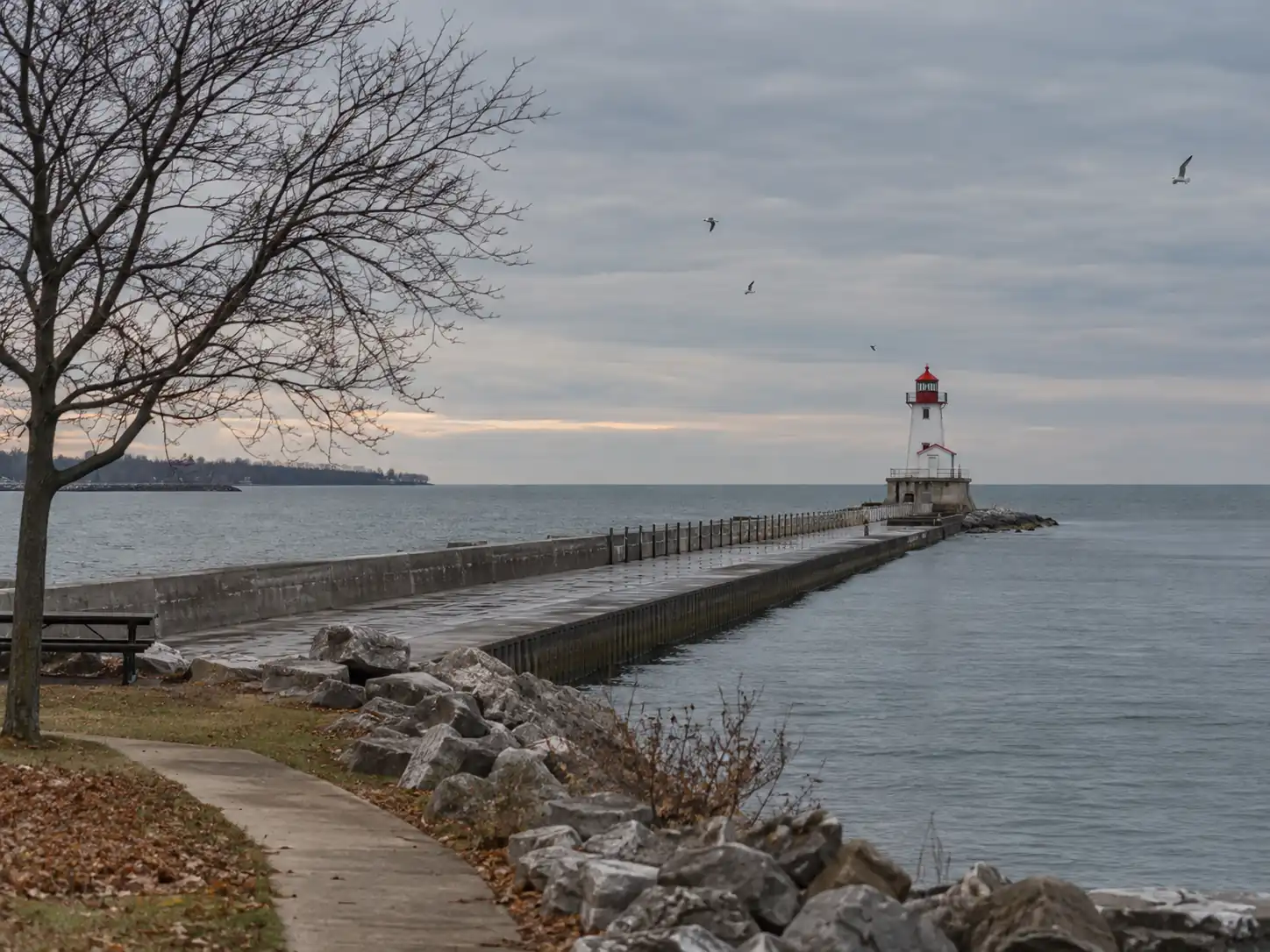
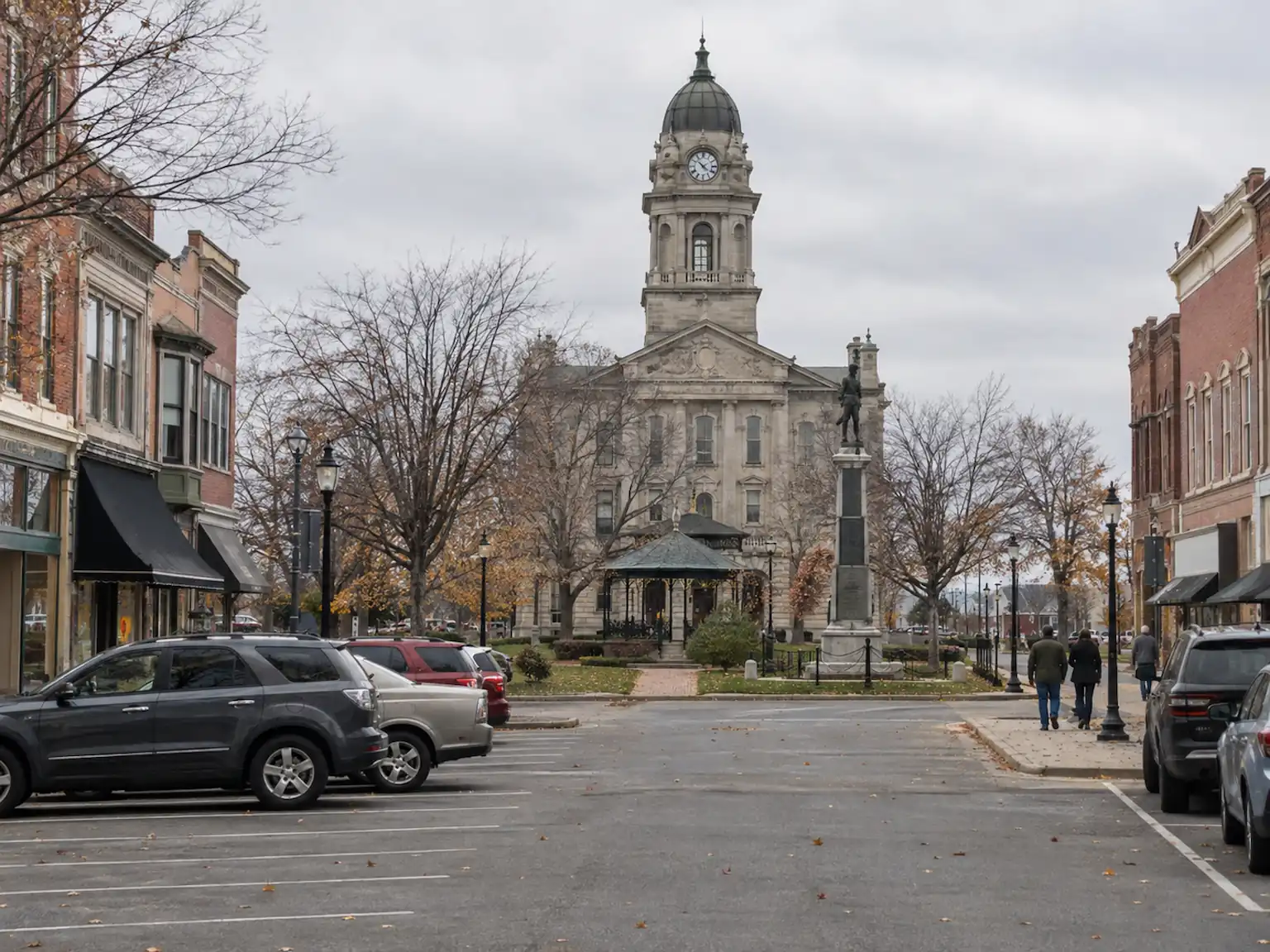
Lorain grew around the steel mill, the shipyard and the Ford plant, and most of its housing was built to walk to one of them. Elyria is the county seat — courthouse, hospital, tool factory, and a wider spread of housing from the 1870s through the 1970s. Same county, different houses, different problems.
CityAreaWhat's thereWhat usually needs doing
Lorain
South Lorain
1900s–1920s mill-worker singles and doubles on narrow lots around the old steelworks, tight streets, detached garages off alleys
Roofs, knob-and-tube, galvanized supply, foundations on the older frame houses, vacancy and code exposure on the blocks nearest the mill
Lorain
Central & Broadway
Older singles, converted doubles and small multi-family around the downtown rebuilt after 1924
Deferred maintenance from decades of rental use, tired mechanicals, tenant turnover and registration issues
Lorain
West Side & Lakeview
1940s–60s ranches, Capes and bungalows, wider lots, the strongest retail streets in the city near the lake
Original roofs and furnaces at end of life, asbestos siding, aging owner-occupants and estates
Lorain
East Side
Mixed post-war stock toward Sheffield Lake and the Black River, a lot of long-term family ownership
Inherited houses full of belongings, deferred exterior work, sewer laterals
Elyria
Downtown & the historic core
Victorian and early-1900s houses around Ely Square and the older avenues, many converted to rentals
Big old-house repair lists, multi-unit conversions done without permits, slate and multi-layer roofs
Elyria
South & East Elyria
1950s–70s ranches, splits and small colonials, the bulk of the city's owner-occupied housing
Mechanicals, windows, wet basements on clay — and estates from the original owners
Elyria
West River & Cascade
Older stock near the Black River gorge and the park, mixed condition block to block
Foundations and drainage on the river side, aging rentals, absentee owners